عربي / English
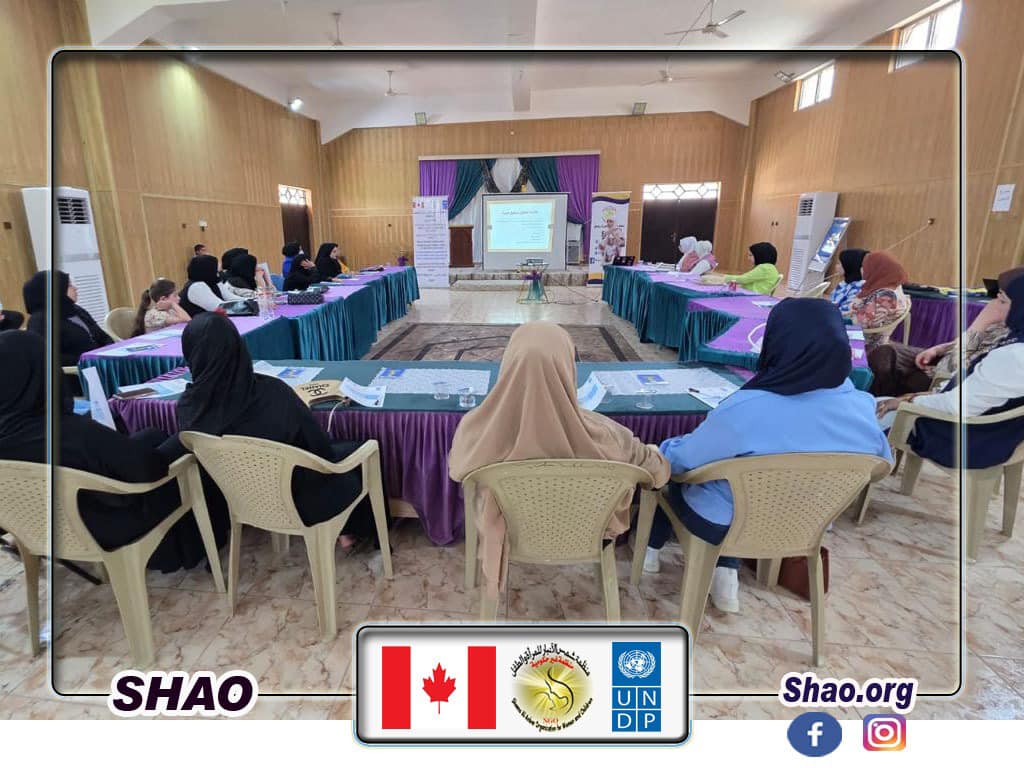
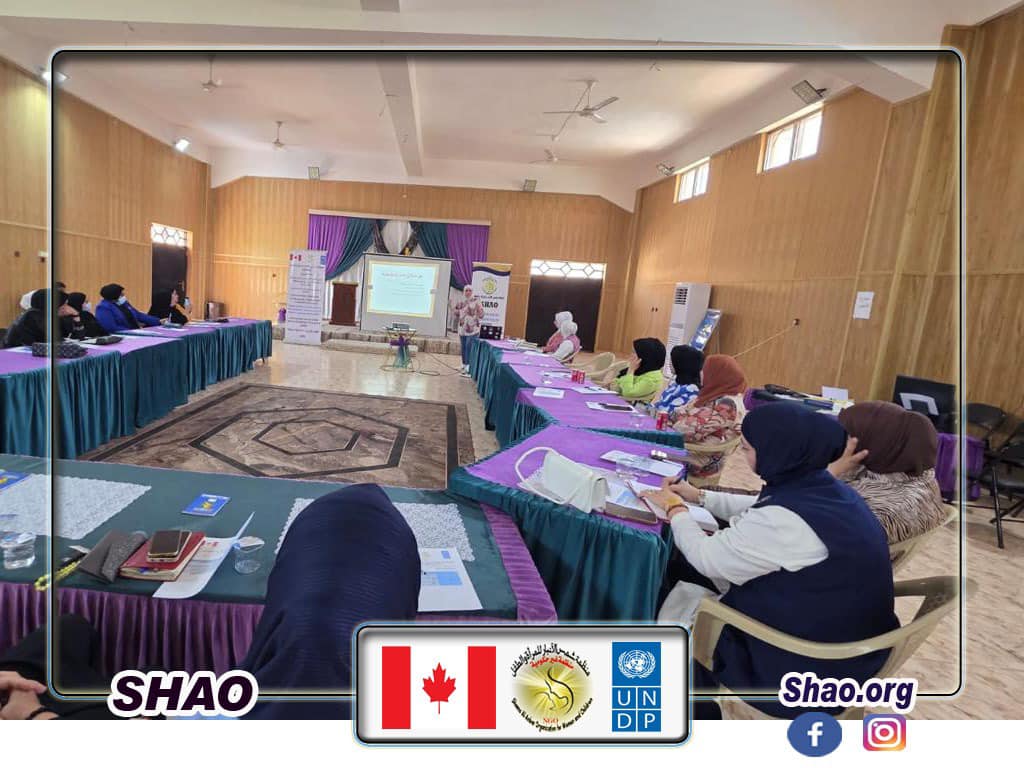
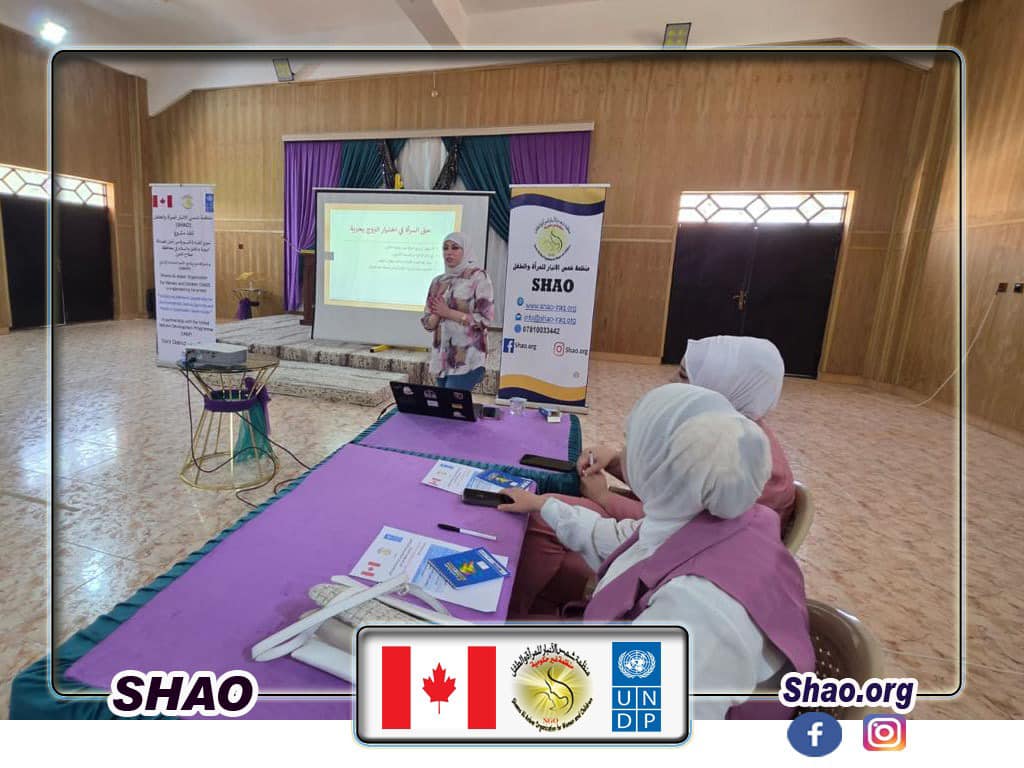
ضمن مشروع “تعزيز القيادة النسوية من أجل العدالة البيئية والأمن والسلام” في محافظة صلاح الدين، نفذت منظمة SHAO أولى جلساتها التوعوية القانونية المخصصة للنساء، في خطوة مهمة نحو دعم المرأة وتمكينها قانونيًا ومعنويًا.
جاءت هذه الجلسة لتفتح مساحة آمنة للنساء للحديث، الفهم، والتعلم حول حقوقهن القانونية، وشملت ثلاثة محاور أساسية تمس واقع المرأة بشكل مباشر:1. قانون الأحوال الشخصية: حيث تم الحديث عن حقوق المرأة داخل الأسرة، من الزواج والطلاق، إلى الحضانة والميراث، مع توضيح الجوانب القانونية التي غالبًا ما تُغفل أو تُفهم بشكل خاطئ.2. قانون العمل: تم تسليط الضوء على حقوق النساء العاملات، وأهم المواد القانونية التي تضمن لهن بيئة عمل آمنة وخالية من التمييز، إضافة إلى مناقشة التحديات التي تواجهها النساء في سوق العمل المحلي.
3. العنف ضد النساء: هذا المحور كان من أهم الفقرات، حيث تم الحديث بصراحة عن أشكال العنف المختلفة التي تتعرض لها النساء، سواء في المحيط الأسري أو الاجتماعي، مع توضيح القوانين التي تحمي النساء وطرق الوصول إلى الدعم القانوني والإنساني
As part of the “Strengthening Women’s Leadership for Environmental Justice, Security, and Peace” project in Salah al-Din Governorate, SHAO organized its first legal awareness session dedicated to women, an important step toward supporting and empowering women legally and morally.
This session provided a safe space for women to discuss, understand, and learn about their legal rights. It covered three key topics that directly impact women’s lives:
1. Personal Status Law: This session addressed women’s rights within the family, from marriage and divorce to custody and inheritance, highlighting legal aspects that are often overlooked or misunderstood.
2. Labor Law: The rights of working women were highlighted, along with the most important legal provisions that guarantee them a safe and discrimination-free work environment. The session also discussed the challenges women face in the local labor market. 3. Violence against Women: This was one of the conference’s most important topics, explicitly addressing the various forms of violence women face, both in the family and in society, while clarifying the laws that protect them and ways to obtain legal and humanitarian support.